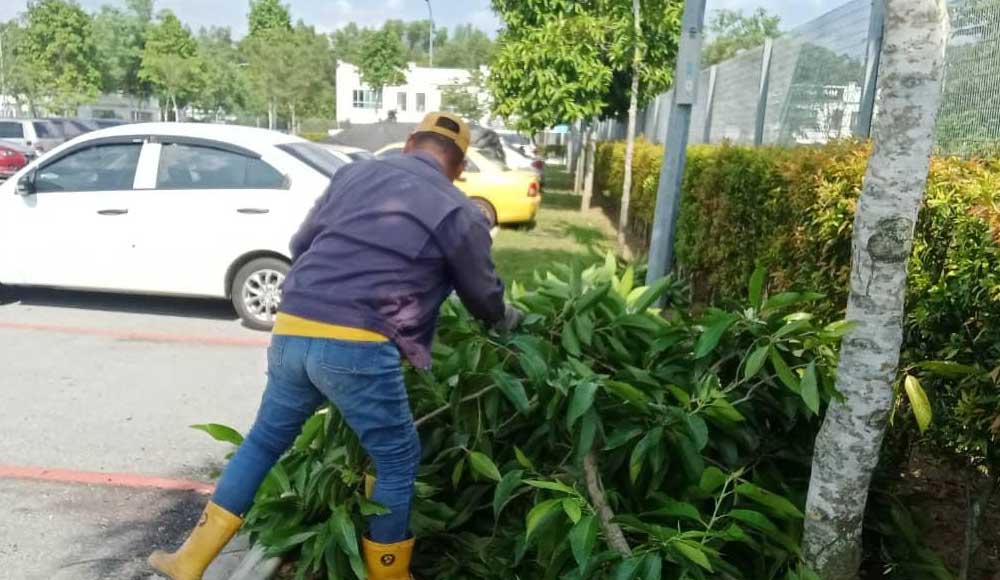
DIY garden maintenance can save money for small, manageable gardens, but professional garden maintenance is often worth outsourcing when the work becomes frequent, technical, or time-consuming.
A garden can look simple from the outside.
A few plants. Some grass. Maybe a hedge, trees, and a small lawn.
But keeping it healthy and presentable takes regular work. Weeding, pruning, mowing, fertilising, pest control, and cleaning can quickly become a weekend job.
For homeowners, the question is simple:
Should you maintain the garden yourself or hire a professional?
For community operators, there is another consideration.
Can your team realistically maintain the entire landscape to a consistent standard?
The right answer depends on the size of the garden, the type of plants, the required appearance, and how much time you have.
When Is DIY Garden Maintenance Worth It?
DIY garden maintenance is worthwhile when the garden is small, straightforward, and manageable with basic tools.
For example, a homeowner with a terrace house may only have:
- A small front lawn
- Several potted plants
- A few shrubs
- Simple flower beds
- Small trees
- A basic backyard
These areas can often be maintained without professional equipment.
Typical DIY Garden Tasks
Many routine tasks are suitable for homeowners.
You can usually handle:
- Watering plants
- Removing weeds
- Sweeping leaves
- Mowing a small lawn
- Removing dead flowers
- Light pruning
- Adding mulch
- Basic fertilising
- Cleaning outdoor areas
A basic toolkit may include a lawn mower, secateurs, pruning shears, garden hose, rake, gloves, and fertiliser spreader.
The bigger question is not whether you can do it.
It is whether you can do it consistently.
When Should You Consider Professional Garden Maintenance?
Professional garden maintenance becomes worthwhile when the garden needs regular care, specialist equipment, or consistent results.
A garden may start small.
Then the trees grow, the lawn expands, weeds spread, and pruning becomes more demanding.
What once took one hour can eventually take half a day.
Professional maintenance can make sense when you have:
- A large residential garden
- Extensive lawns
- Mature trees
- Large hedges
- Multiple planting areas
- Irrigation systems
- Common areas
- Shared residential landscapes
- Commercial properties
- Recreational facilities
- Strata or managed communities
For community operators, consistency is especially important.
Residents notice when grass becomes overgrown or common areas look neglected.
DIY vs Professional Garden Maintenance: What Should You Outsource?
The best approach is often a combination of DIY and professional garden maintenance rather than choosing only one.
Think of garden care like car maintenance.
You can wash your car yourself.
But you may still send it to a workshop for servicing.
The same principle applies to landscaping.
Tasks You Can Usually Do Yourself
For smaller gardens, homeowners can handle routine maintenance such as:
| Task | DIY Suitable? |
|---|---|
| Watering | Yes |
| Weeding | Yes |
| Sweeping leaves | Yes |
| Light pruning | Yes |
| Small lawn mowing | Yes |
| Planting small plants | Yes |
| Mulching | Yes |
| Major tree pruning | Usually no |
| Tree removal | No |
| Irrigation repairs | Depends |
| Large-scale pest treatment | Often better outsourced |
The more technical the task, the stronger the case for professional help.
Which Garden Maintenance Tasks Are Better Left to Professionals?
Tree work, large-scale pruning, irrigation repairs, pest management, and extensive landscaping are usually better handled by trained professionals.
Some garden jobs involve more than time.
They involve safety, plant health, equipment, and technical knowledge.
1. Tree Pruning
Large trees can be difficult and dangerous to prune.
Incorrect pruning can also damage the tree.
Professional teams can assess:
- Branch structure
- Tree health
- Deadwood
- Overhanging branches
- Clearance from buildings
- Potential safety risks
Homeowners should avoid climbing tall trees or using chainsaws without proper training.
2. Large Lawn Areas
Mowing a small lawn is straightforward.
Maintaining a large lawn is different.
It requires regular scheduling and suitable equipment.
Professional teams can manage:
- Mowing
- Edging
- Grass trimming
- Fertilising
- Weed management
- Lawn recovery
- Green waste removal
This is particularly useful for residential communities with large shared lawns.
3. Irrigation Systems
Irrigation problems can be difficult to identify.
A damaged sprinkler head may be obvious.
A leaking underground pipe may not be.
Professional maintenance can include checking:
- Sprinkler heads
- Valves
- Water pressure
- Timers
- Drip irrigation
- Pipe leaks
- Coverage areas
Good irrigation maintenance can also prevent plants from being overwatered or underwatered.
4. Pest and Plant Health Problems
Yellow leaves do not always mean a plant needs more water.
The problem could involve pests, disease, nutrient deficiencies, root damage, or poor drainage.
Professional garden maintenance teams can identify the likely cause before recommending treatment.
DIY or Professional Garden Maintenance: Which Is Right for You?
DIY is best for small gardens and routine tasks, while professional maintenance suits larger, complex, or regularly managed landscapes.
Use this simple guide:
Choose DIY if:
- Your garden is small.
- You enjoy gardening.
- You have suitable tools.
- Maintenance takes little time.
- The plants are relatively simple.
- You can maintain it consistently.
Consider professional maintenance if:
- Your garden is large.
- You have mature trees.
- The lawn requires frequent mowing.
- You manage common areas.
- Your schedule is busy.
- You lack specialist equipment.
- The garden must always look presentable.
- Maintenance keeps getting postponed.
Consider a maintenance contract if:
- You manage a residential community.
- The landscape has multiple common areas.
- Consistent maintenance is required.
- Several workers or contractors are involved.
- You need predictable maintenance scheduling.
The Best Garden Maintenance Strategy Is Often a Hybrid Approach
A hybrid garden maintenance strategy lets homeowners handle simple tasks while professionals manage specialised and recurring work.
For example, a homeowner might handle:
- Watering
- Small-scale weeding
- Planting
- Light pruning
A professional team can handle:
- Lawn maintenance
- Major pruning
- Tree care
- Fertilising
- Pest management
- Irrigation maintenance
- Green waste removal
This approach keeps costs controlled without allowing important maintenance work to accumulate.